About
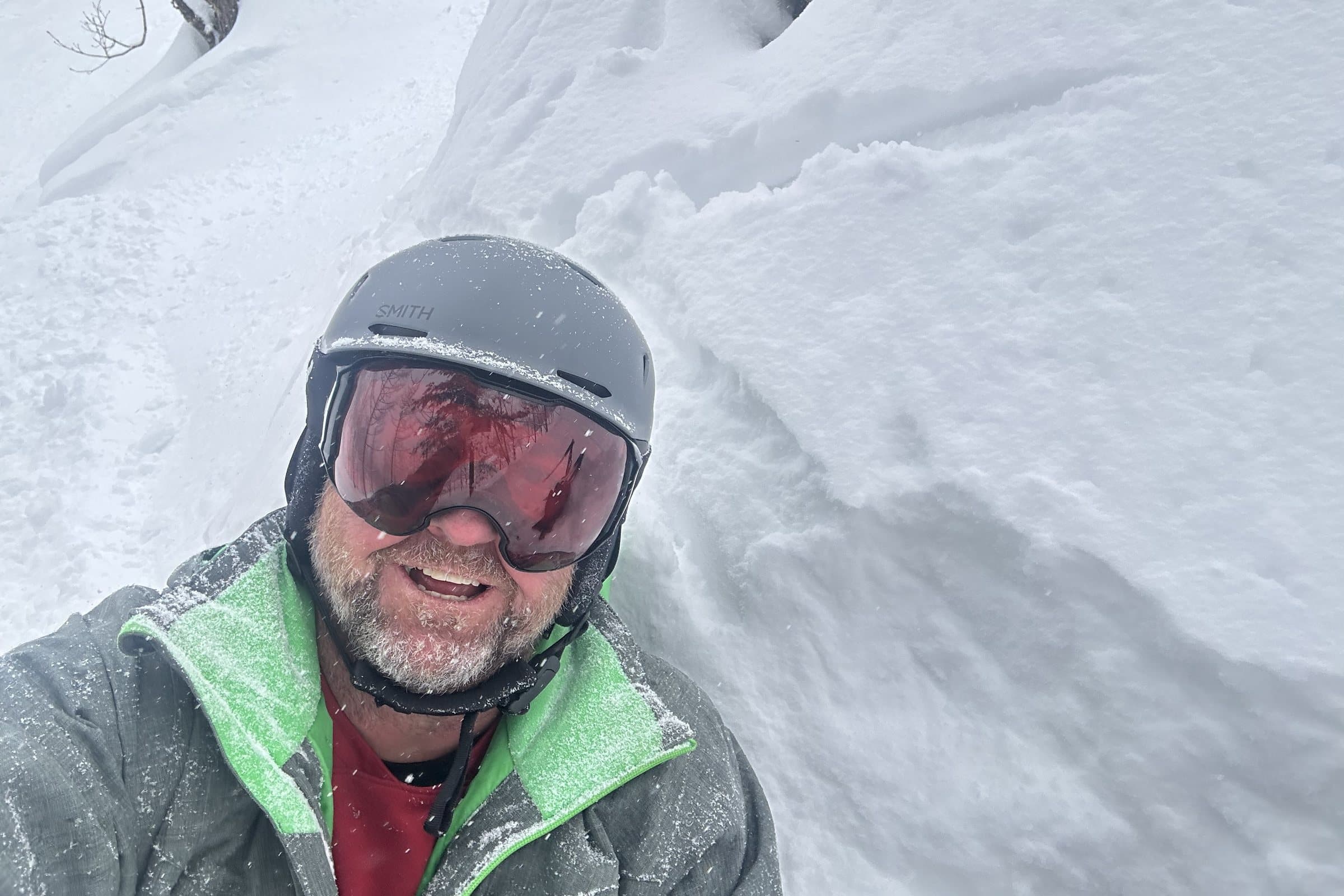
The best runs I've ever skied weren't on piste. They were off it — in terrain where the map runs out, where the conditions are uneven, and where feeling the mountain under your skis and pushing forward is more important than the markers on the trail. Off-piste, I'm completely in the moment — not carrying the last run or thinking about the next one, just fully present in the terrain in front of me. There's a clarity to that I've never found anywhere else. It demands presence. It rewards the people who think differently about what the terrain is offering.
That instinct has followed me across 30 years in property and construction. The industry I work in is one of the largest on earth and one of the least changed. While manufacturing, logistics, and technology have transformed themselves beyond recognition, construction has moved in the opposite direction — more fragmented, more inefficient, less productive. Most people in the sector know this. Very few have a vantage point wide enough to understand why, or the conviction to do something about it.
My career has been unconventional, partly by design and partly by responding to what's in front of me. I started in 1996 as a cadet quantity surveyor at WT Partnership, learning to produce the numbers everyone else in the process would later argue about. At Multiplex, in commercial management, I learned construction delivery from the inside — the importance of systems and strong planning and commitment to follow through. Estimating at Mirvac taught me how much of a project's fate is decided before anyone has drawn the thing properly. At Goodman Group, the lens shifted to development and investment — how capital thinks, how assets are structured, and how to build capability ahead of where the market is heading. At Goodman I helped build two new operating functions from scratch — risk management and sustainability — when neither was yet standard practice. At GPT Group, a mixed-use development program approaching a billion dollars in value tested everything: planning complexity, multi-stakeholder delivery, holding strategic intent under commercial pressure. I also developed a love and appreciation for retail property, its complexity and dynamism, whilst also witnessing early on how the digital environment would challenge property norms.
The most formative chapter has been the most recent. Working inside NEOM — one of the most ambitious construction programs ever attempted — has given me a vantage point that no case study could replicate. Not as a model to follow, but as an environment where the sector's structural failure modes have played out at unprecedented scale. What I've brought forward from that experience isn't a success story. It's a clear-eyed understanding of what actually breaks, and what it would genuinely take to prevent it.
All of that experience has produced one clear conviction: the gap in property and construction isn't a technology gap. It's a whole-system gap — fragmentation between owners, developers, designers, contractors, and suppliers, where each party optimises for their own node and information is lost at every handoff. Closing that gap requires someone willing to work from inside the system to change the system. That's the work I'm building toward.
This site is where I think out loud — about property, construction, the way organisations transform, and the broader questions that sit underneath all of it. Some of it will be directly about the work. Some of it will go off-piste. That's usually where the more interesting ground is.
If any of this lands, I'd like to hear from you — angus@angusoffpiste.com.